About
Our work usually sits at the intersection of process design, implementation, integration, automation, and operational thinking.
That means it's not just configuring software.
We are helping companies structure better workflows, connect systems, and make execution easier to manage as they grow.
Fernando Gumma
Odoo Architect and Process Automation Expert

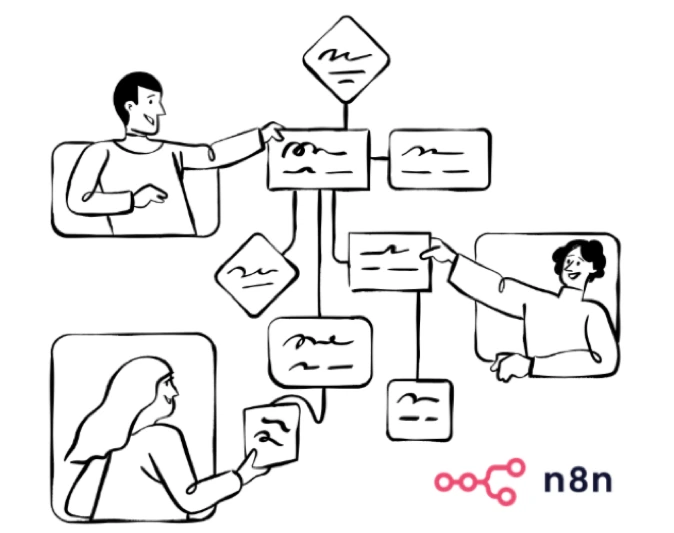
Krill + Bauer turn companies operational complexity into clear, scalable systems.
We work with businesses that have outgrown fragmented tools, manual work, and unclear processes, and need a more structured way to run operations. Our focus is on designing and implementing business systems that improve visibility, simplify execution, and create the foundation for growth.
At the center of our work is a simple idea:
Better operations beat more tools.
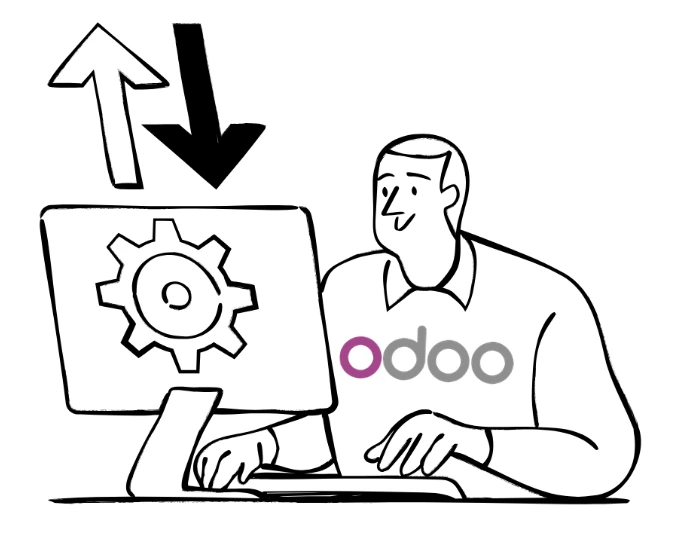
We use Odoo as the operational backbone of the business, and when needed, we extend it with automation and orchestration layers that connect processes across systems, teams, and workflows.
The result is not just software installed, but an operating model that is easier to manage, easier to scale, and more reliable day to day.
Who we work with
Our ideal clients are companies that need stronger operational structure, not just another software vendor.
We typically work with:
SMEs evaluating, adopting, or evolving Odoo
Businesses struggling with scattered data, manual tasks, and poor process visibility
Operations-heavy companies that need better workflows, approvals, reporting, and integrations
Organizations that want automation without turning their ERP into a fragile customization project
Odoo partners that need subcontracting support for implementation, integration, and automation delivery capacity
In practical terms, our clients usually come to us when they are facing one or more of these problems:
Too much work happening across spreadsheets, emails, and disconnected tools
Repetitive manual tasks slowing teams down
Reporting that is difficult to trust or difficult to build
Lack of clarity around process ownership and execution
ERP projects becoming too custom, too messy, or too hard to maintain
What clients gain
Our work is designed to create operational clarity and measurable business value.
We help companies move:
from scattered data to centralized, reliable information
from repetitive manual work to smart automation
from unclear workflows to traceable execution
from hard-to-read reports to useful dashboards
from operational chaos to scalable processes
That translates into real benefits:
less manual work
fewer errors
clearer ownership
better traceability
faster execution
more reliable reporting
cleaner integrations
systems that are easier to maintain and evolve
How we think
We do not see Odoo as “just an ERP.”
We see it as a Business Operating System: the place where structured data, business rules, approvals, transactions, and core workflows should live.
Our point of view is simple:
Odoo = system of record
n8n = system of motion
That means Odoo should remain the source of truth for the business, while orchestration, triggers, notifications, retries, and cross-system workflows should be handled in the right automation layer outside the ERP when appropriate. This approach helps keep architectures cleaner, more scalable, and more upgrade-friendly.
How we work
Our approach combines strategy, process design, system implementation, integration, and automation.
We do not start with customization for the sake of customization. We start by understanding how the business actually works, where the friction is, what must be standardized, and where automation creates real leverage.
Our work typically includes:
process and workflow analysis
Odoo selection and evaluation support
implementation and configuration
integration across systems
custom module development where it adds real value
automation design and orchestration
training and operational support
Our method
1. Understand the operation
We map the real workflows, responsibilities, data flows, and bottlenecks behind the business.
2. Prioritize what matters
We identify the most critical processes, the must-haves for go-live, and the areas where visibility, ownership, and automation will have the biggest impact.
3. Design a clean system
We keep the core structured, standard where possible, and customized only where it creates meaningful business advantage.
4. Connect and automate
We integrate the surrounding tools and design workflows that reduce manual effort, improve reliability, and keep data moving across the business.
5. Support adoption and evolution
We help teams use the system effectively, improve over time, and avoid building operational chaos back into the business.